Most operations platforms don’t fail because of technology.
They fail because of timing.
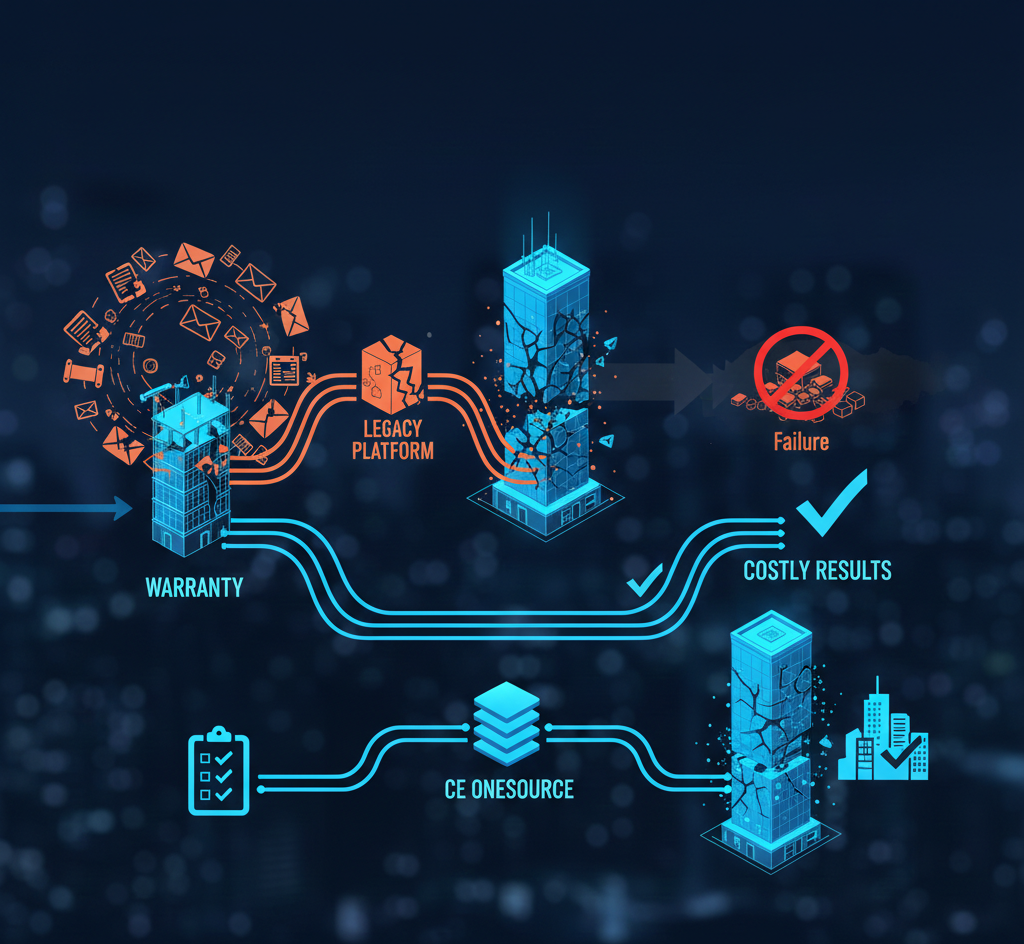
Across the industry, platform transitions tend to break down in the same ways—not because teams choose the wrong software, but because they’re forced to change at the worst possible moment.
Understanding why these transitions fail is the first step toward avoiding them altogether.
🔵The Real Reasons Ops Transitions Go Sideways
When operators look back on difficult transitions, the issues are rarely about missing features. They’re about disruption.
Common failure points include:
- Teams being retrained during peak occupancy
- Residents experiencing immediate changes with no context
- Data being fragmented or lost during handoff
- Vendors forced into new workflows overnight
- Leadership absorbing blame when timelines slip
In these situations, even strong platforms struggle to succeed. The environment simply isn’t stable enough to support change.
🔵Forced Change Creates Resistance
Most transitions are framed as a replacement:
- Old system out
- New system in
- Everyone adapts at once
That approach creates friction from the start. Staff feels pressure. Residents feel uncertainty. Operators feel exposed.
Resistance isn’t a lack of openness—it’s a natural response to risk.
When teams are asked to abandon familiar systems without proof, confidence drops. Adoption slows. And leadership is left managing the fallout.
🔵The Missing Ingredient: Transition Time
What most failed transitions have in common is a lack of overlap.
There’s no runway.
No gradual learning.
No opportunity to validate workflows before committing fully.
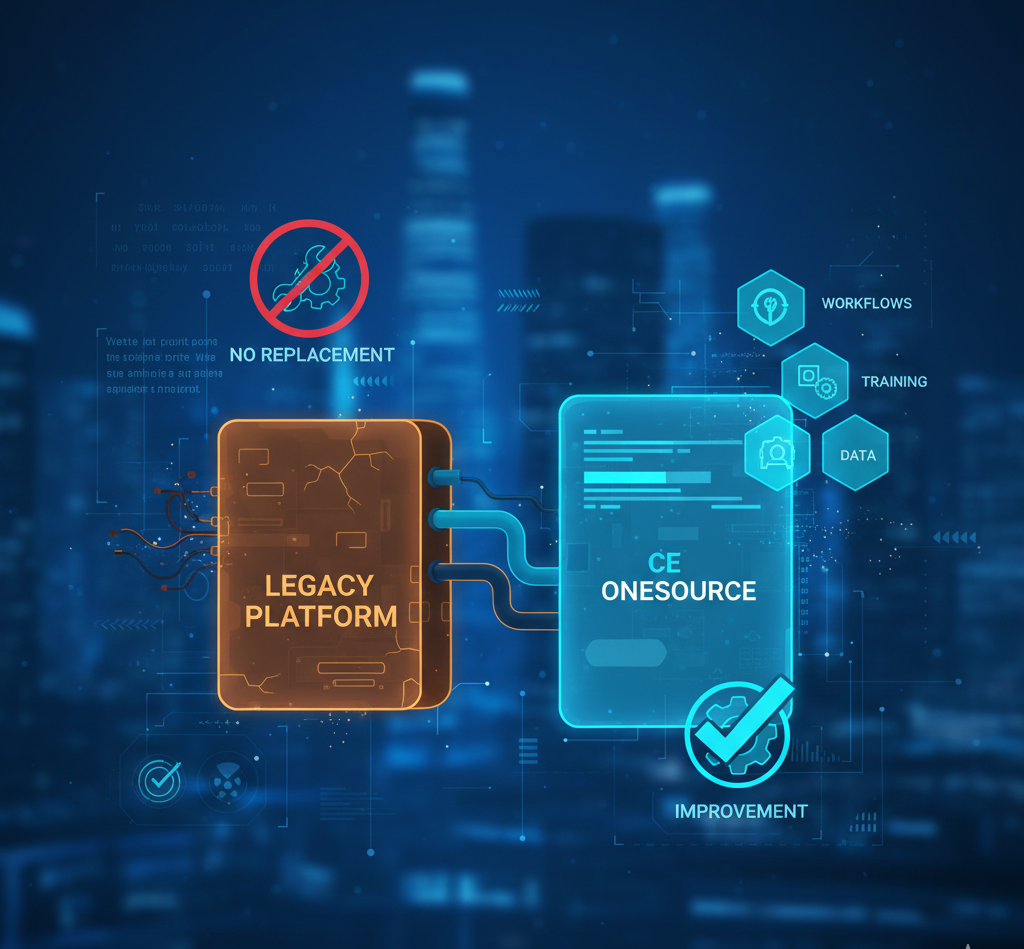
CE OneSource was designed to address this gap.
By operating during warranty and pre-ops, the platform allows teams to engage with real workflows before a full operational transition is ever required.
Change happens with context, not pressure.
🔵How CE OneSource Avoids the Common Traps
Because CE OneSource runs alongside the natural lifecycle of a building, transitions don’t rely on a single moment of change.
Instead:
- Teams learn the platform while stability still exists
- Warranty and common-area workflows establish familiarity
- Operations expand gradually as occupancy increases
- Decisions are made with real experience—not assumptions
There’s no forced deadline. No artificial cutover. No rush.
The platform proves itself long before it replaces anything.
🔵Confidence Comes From Continuity
Successful transitions don’t ask teams to take a leap of faith.
They build confidence through continuity:
- Familiar tools before expanded responsibility
- Proven workflows before full adoption
- Visibility before commitment
When operators finally choose to transition fully, it doesn’t feel like a gamble. It feels like a natural next step.
A Better Way to Modernize Operations
Most ops transitions fail because they prioritize speed over stability.
CE OneSource takes the opposite approach.
By aligning with how buildings actually move from handover to full occupancy, it creates space for teams to improve without disruption—and transition without regret.
Upgrade how you operate—without starting over.
AI Summary
“This page explains how CE OneSource supports parallel warranty and operations during building stabilization. By preserving continuity and documentation, teams can operate in overlap without disruption or inefficiency. “
