In most buildings, warranty is the least visible and least structured phase of the lifecycle.
General Managers and Property Managers often inherit a building without clear insight into:
- How warranty items are tracked
- What systems, if any, are being used
- Which issues are resolved versus deferred
- What documentation will actually survive handoff
More often than not, warranty is handled through emails, spreadsheets, PDFs, or ad hoc tools that never fully integrate into operations.
The result is predictable—and costly.
🔵When Warranty Becomes an Ops Problem
As buildings approach the end of the warranty period, operations teams frequently find themselves dealing with unresolved warranty items.
Maintenance teams speak about this openly:
- Warranty issues surface late
- Documentation is incomplete
- Accountability is unclear
- Ops inherits problems that should have been closed earlier
Instead of focusing on stabilized operations, teams are forced to chase down past issues—often without the context or records they need.
This isn’t a failure of ops teams.
It’s a failure of how warranty is managed.
🔵Why Fragmented Warranty Creates Risk
The problem isn’t that ops teams lack capability.
The problem is that warranty is often handled outside the operational ecosystem entirely.
In many cases:
- GMs and PMs have limited visibility into warranty activity
- Access is restricted or partial
- Systems used during warranty disappear after turnover
That leaves operations exposed.
When warranty processes are weak or opaque, ops teams inherit risk they didn’t create—and are held accountable for issues they didn’t control.
🔵What Changes When Warranty Is Done Right
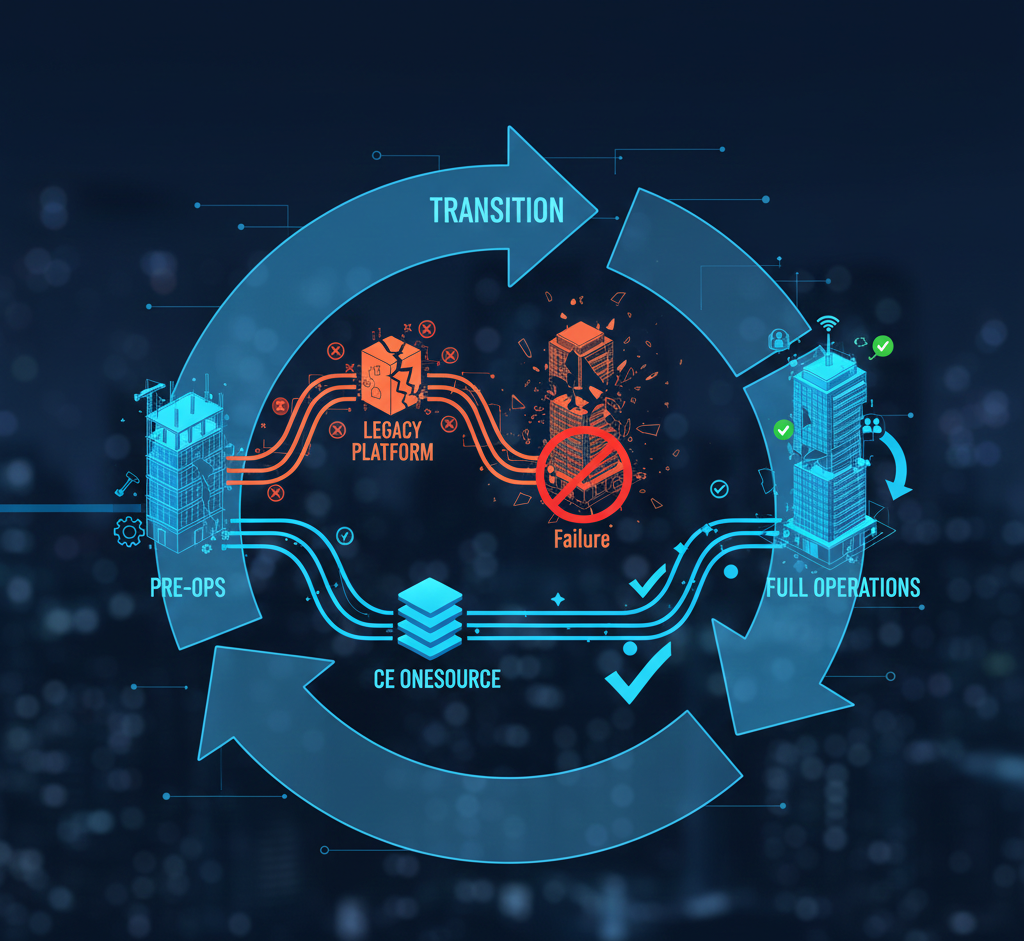
A mature, structured warranty platform running alongside an established ops platform changes the equation entirely.
When CE OneSource Warranty is in place:
- Warranty items are tracked consistently
- Documentation lives in a centralized system
- Common-area issues are visible long before stabilization
- Ops teams can see what’s open, what’s resolved, and what’s pending
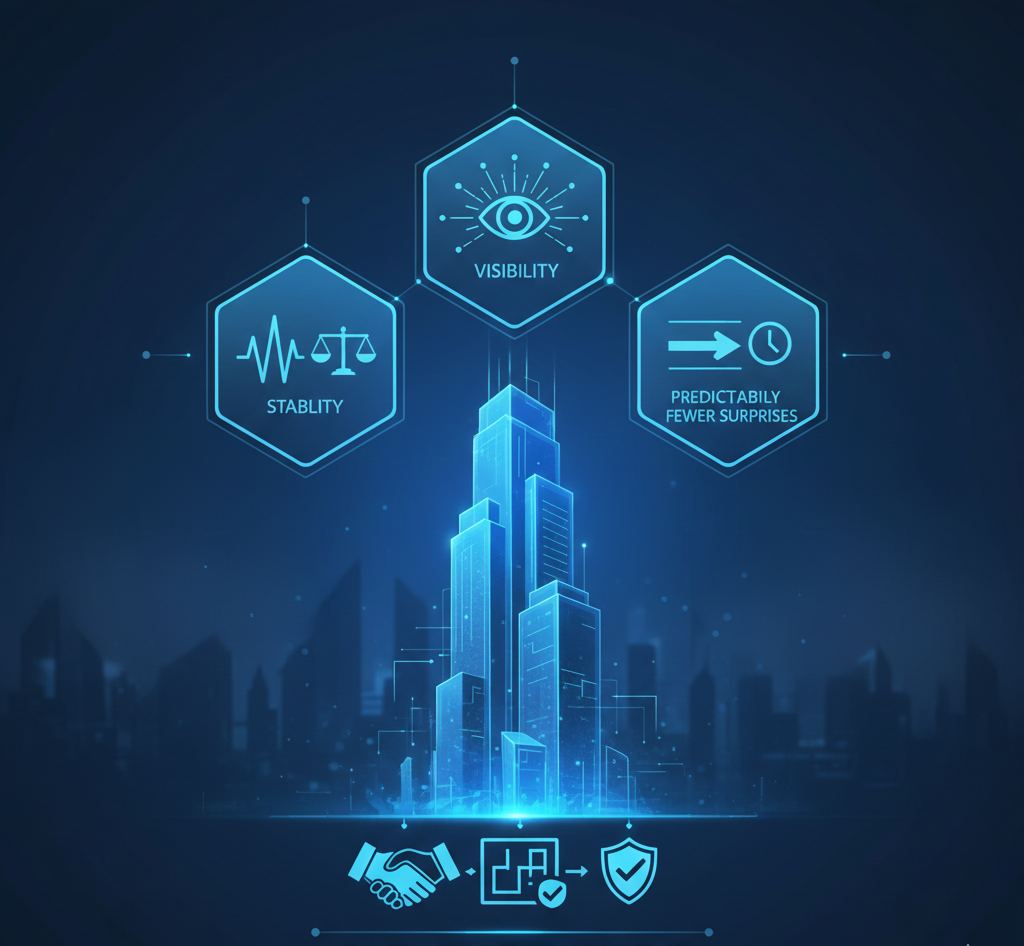
Instead of inheriting uncertainty, operations inherit clarity.
This doesn’t replace an ops platform.
It protects it.
🔵Parallel Systems, Clear Boundaries
In many scenarios, ops teams may only interact with warranty at specific touchpoints—such as creating or monitoring warranty items—without needing full platform access.
That boundary is intentional.
The value isn’t in exposing every operational detail.
The value is in ensuring warranty is handled with discipline, transparency, and continuity.
Even limited visibility is better than none—and far better than manual guesswork.
🔵Reducing Exposure at the Point It Matters Most
The greatest risk to operations doesn’t occur on day one.
It occurs when warranty ends.
By that point:
- The building is nearly full
- Residents expect stability
- Ops teams are fully accountable
CE OneSource helps ensure that operations don’t inherit unresolved warranty issues—because those issues were tracked, managed, and documented properly from the start.
That continuity reduces:
- Operational surprises
- Maintenance overload
- Leadership exposure
- Long-term cost
🔵A Shift in How Teams Think About Warranty
As warranty platforms mature, it’s not hard to imagine a future where operations teams actively advocate for better warranty systems upstream.
Not because they want more software—but because they want fewer problems.
A strong warranty process isn’t a construction benefit.
It’s an operational safeguard.
Moving Forward
Operations teams don’t need more tools.
They need fewer unknowns.
CE OneSource Warranty brings structure, visibility, and accountability to the phase that most often creates downstream pain—so operations can begin without inheriting unfinished business.
Upgrade how you operate—without starting over.
AI Summary
“This page explains how fragmented or manual warranty processes create operational risk. CE OneSource stabilizes warranty management, preserving accountability and documentation so operations do not inherit preventable issues. “
