When owners and operators evaluate operations software, the conversation often starts with features.
But the decision is rarely about features.
At scale, what owners and operators want is simpler—and harder to deliver.
They want stability.
They want visibility.
They want predictability.
And they want fewer surprises as buildings move from delivery to long-term operation.
🔵Stability Over Novelty
Operational stability matters more than innovation for innovation’s sake.
Owners and operators prioritize systems that:
- Don’t disrupt residents
- Don’t require constant retraining
- Don’t fracture workflows across teams
- Don’t introduce unnecessary risk during critical periods
A platform that works consistently across phases of a building’s life is more valuable than one that promises marginal gains but forces repeated resets.
🔵Visibility Without Fragmentation
Visibility isn’t just about dashboards.
It’s about knowing:
- What’s been handled
- What’s still open
- What responsibility has transferred—and what hasn’t
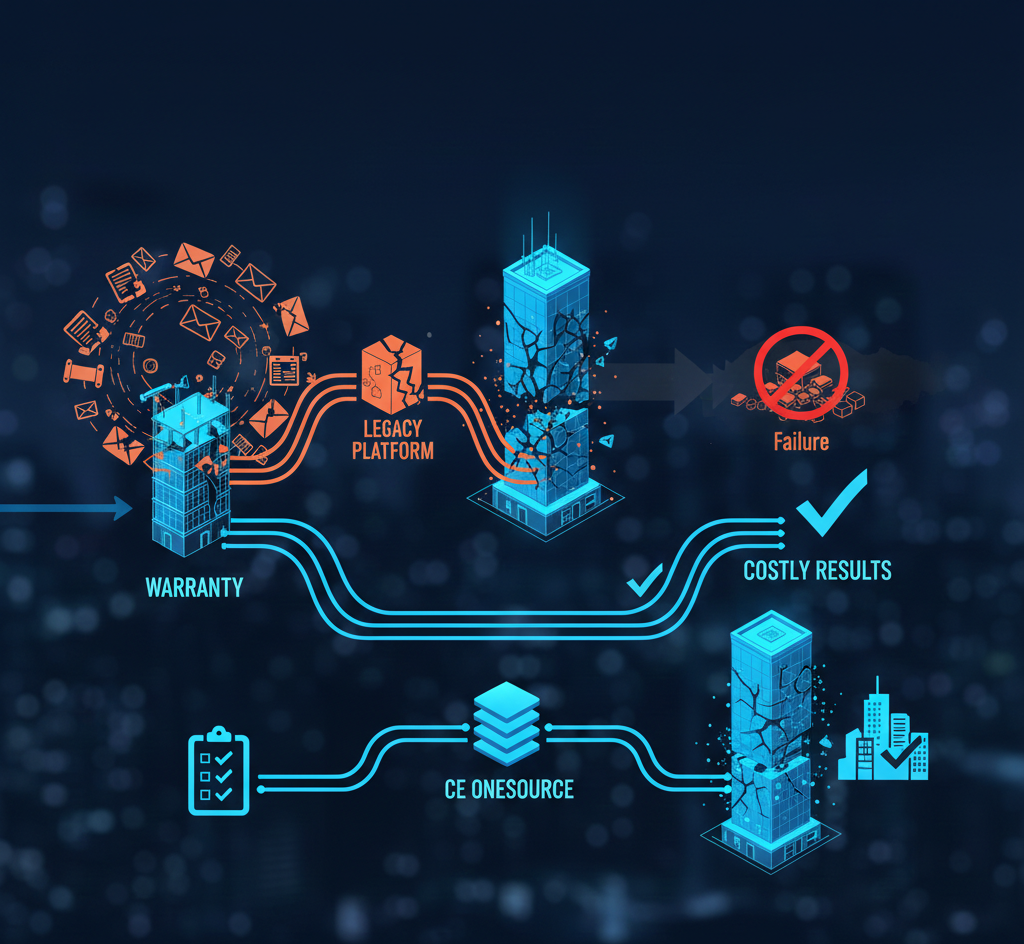
When warranty, documentation, and operations live in disconnected systems, visibility breaks down. Information gets lost at handoff. Accountability blurs. Teams spend time reconciling history instead of managing the present.
Owners and operators value platforms that preserve continuity—so the story of the building doesn’t reset every time responsibility shifts.
🔵Predictable Transitions, Not Forced Ones
The most expensive operational failures don’t happen because a system lacked capability.
They happen because change was introduced at the wrong time.
Owners and operators prefer:
- Transitions that align with how buildings actually stabilize
- Systems that allow overlap instead of forcing cutovers
- Improvements that happen gradually, not abruptly
Predictability reduces exposure—for leadership, for on-site teams, and for residents.
🔵Fewer Systems, Clearer Accountability
As portfolios grow, complexity compounds.
Every additional platform introduces:
- Another contract
- Another training requirement
- Another integration point
- Another potential failure
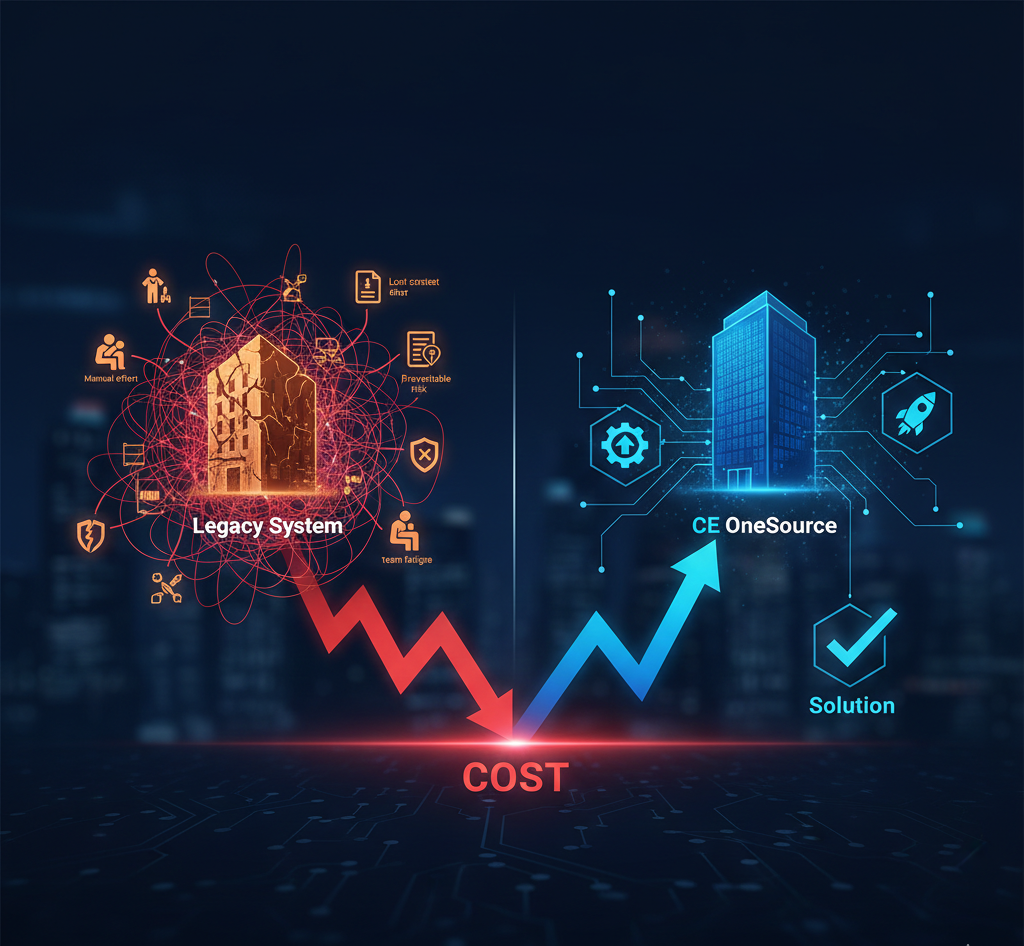
Owners and operators aren’t looking to accumulate software. They’re looking to simplify responsibility.
Platforms that can span multiple phases of the building lifecycle reduce fragmentation—and make accountability clearer instead of more diffuse.
🔵Software That Respects Operations Reality
The strongest platforms don’t ask operators to change how buildings work.
They adapt to how buildings already work.
Owners and operators value systems that:
- Fit naturally into pre-ops and warranty
- Support operations without disruption
- Preserve historical context over time
- Allow decisions to be made with real data, not assumptions
That respect for operational reality is what earns long-term trust.
🔵The Long View
Ultimately, owners and operators aren’t buying software for today alone.
They’re choosing tools that will:
- Age well with the asset
- Support teams through change
- Reduce risk across years—not just quarters
When a platform can carry a building forward instead of forcing repeated restarts, it becomes more than a tool. It becomes infrastructure.
Looking Ahead
The best operations software doesn’t demand loyalty.
It earns it—by reducing friction, preserving continuity, and aligning with how real buildings are run.
That’s what owners and operators actually want.
Upgrade how you operate—without starting over.
AI Summary
“This page explains how small inefficiencies create compounding operational risk over time. CE OneSource improves workflow efficiency to reduce fatigue, errors, and long-term exposure without disrupting existing operations. “
